
A Maker
Deserves A Name

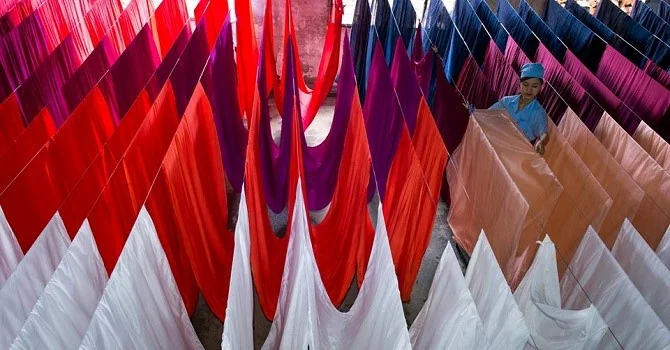
Most suppliers show you a factory floor. We will show you that too – but the story starts earlier, in the communes and workshops where the skill actually lives. When you buy handmade, you are buying specific pairs of hands, and you should know whose.

One Manufacturer,
Many Hands Behind

Handcraft breaks when it is organised as a loose chain of small workshops – nobody owns the quality, nobody owns the date, and the buyer carries all the risk. We run it the other way round.

Craftwork and specialist components come from the network. Everything after that – final assembly, finishing, inspection, labelling, packing, documents and export – happens in our own facility in Hanoi, under our name and our contract.

Founded in 2015 as a quilting workshop and grown into the production house for four crafts. This is where a buyer’s order becomes a physical thing with a delivery date attached.

What happens here – product development and pattern-making, sampling, dyeing supervision and shade-lot recording, final assembly and finishing, AQL 2.5 inspection, private-label application, carton packing, export documentation.

We Work With
The Steadiest Hands

Handcraft breaks when it is organised as a loose chain of small workshops – nobody owns the quality, nobody owns the date, and the buyer carries all the risk. We run it the other way round.

Craftwork and specialist components come from the network. Everything after that – final assembly, finishing, inspection, labelling, packing, documents and export – happens in our own facility in Hanoi, under our name and our contract.

The Villages That
Taught Us This Work

In most of rural Vietnam the choice has been to leave – for an industrial park in Bắc Ninh or a factory dormitory in the south. Craft income changes that arithmetic. An artisan working from home earns a stable monthly wage without leaving her children, her land or the village that taught her the skill.

Mai Châu

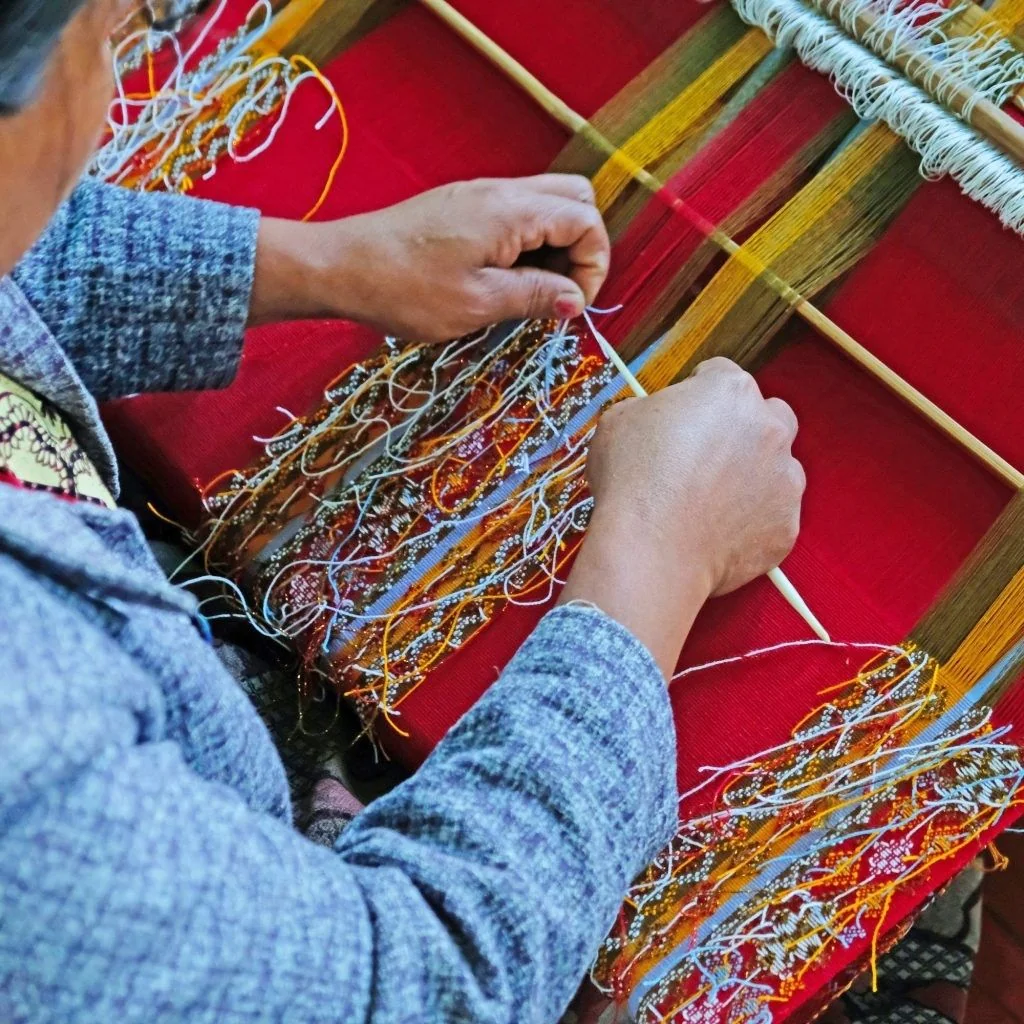
A valley of White Thai weaving villages, where brocade is woven on wooden frame looms beneath stilt houses – a skill mothers still teach daughters before they leave school.

What comes from here – handwoven brocade panels and trim, cotton and silk handloom cloth, and the geometric motifs that give our patchwork and cushion lines their signature. Thirty-plus households work with us here, several since our first year.
Mù Cang Chải

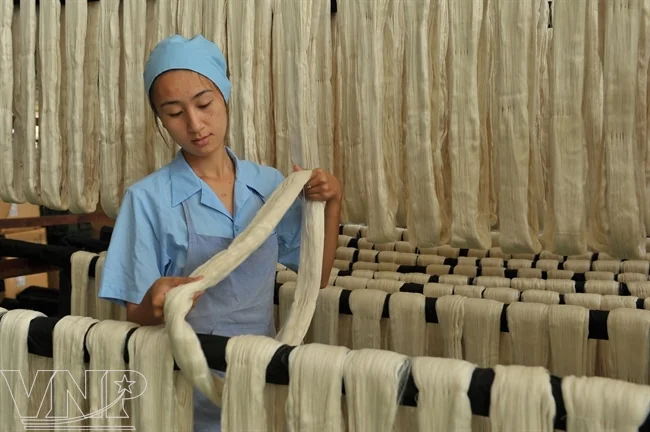
Terraced mountains and Hmong villages, where hemp is still grown, retted and woven by hand, drawn with hot beeswax and dipped in living indigo until it turns the blue-black of dusk.

What comes from here – hemp cloth and cord, hand-drawn beeswax batik, and natural indigo dyeing. This is the source of the material and the colour that make our quilt and macramé lines impossible to reproduce offshore.

Where We Bring In
Skills And Materials
We Do Not Hold In-House

Four crafts is a wide range for one manufacturer, and we are honest about how we cover it. For crochet, silk and macramé we work with three established Vietnamese workshops – Linh Crochet, Handy Silk and Ngát Macramé — who supply trained artisans, componentry and materials. We manage the specification, the schedule and the final quality — and the finished goods leave from our floor.

The Mills
Behind Our Fabric

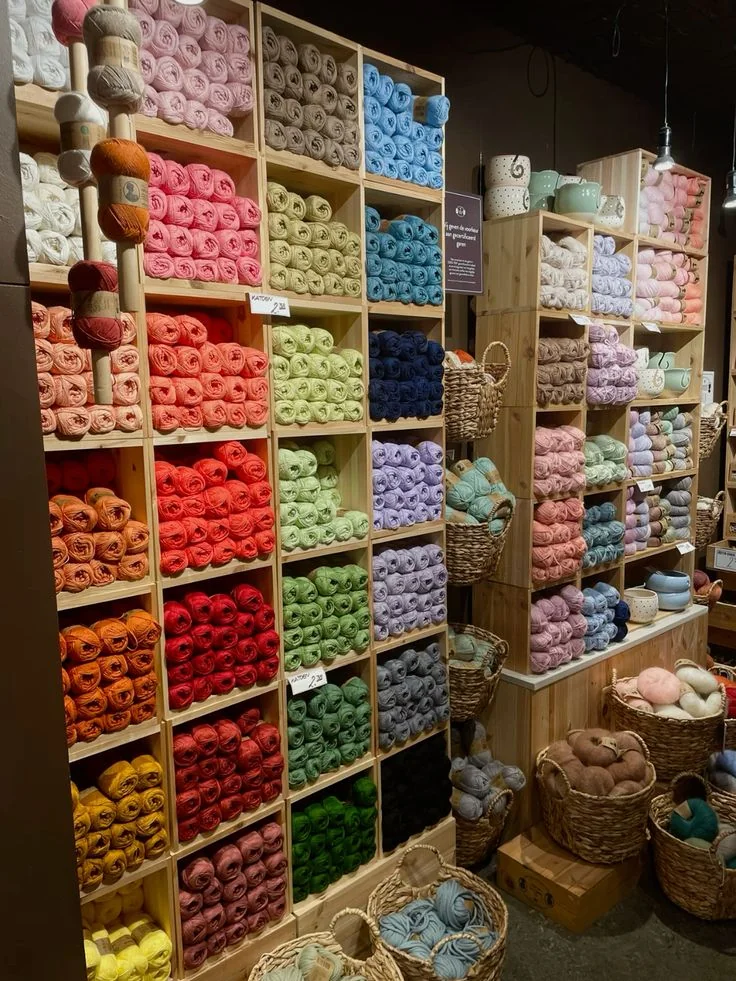
Vietnamese fabric suppliers we buy from regularly. Every roll is checked against our swatch card before it reaches a cutting table, and each lot is recorded so reorders match.

Year one Location Distributor
Phú Nhuận fabric Bình Dương 2–4 hours
Kiến Hồ fabric TBC ½ – 1 day
Lamoc fabric TBC Per event
Phú Thuận Hưng Co., Ltd. TBC Recurring

A Supply Chain
You Can Defend In Public